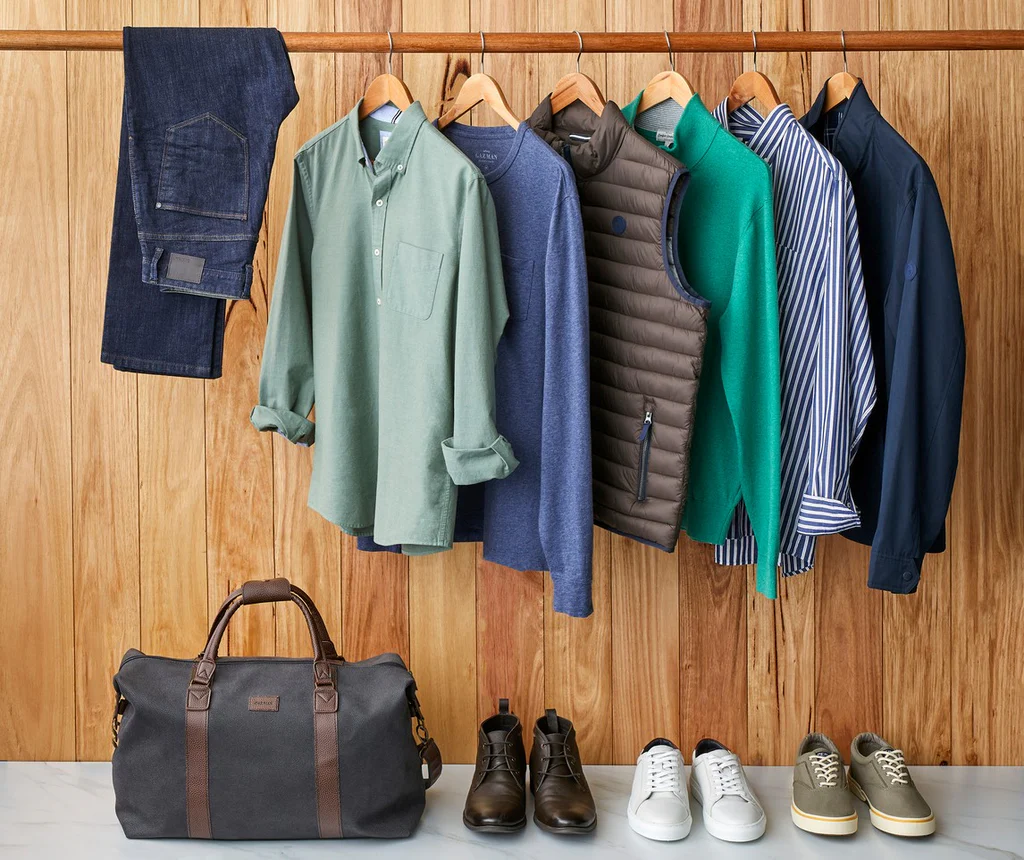
How to Build a Capsule Wardrobe
Introduction
Fashion trends come and go, but having a wardrobe filled with timeless, versatile pieces never goes out of style. This is where the concept of a capsule wardrobe becomes valuable. A capsule wardrobe is a carefully curated collection of clothing items that can be mixed and matched to create multiple outfits while minimizing clutter and unnecessary purchases.
The idea behind a capsule wardrobe is simple: own fewer clothes, choose higher-quality pieces, and create a wardrobe that reflects your personal style. This approach not only saves money and time but also promotes sustainable fashion by reducing overconsumption.
Whether you’re looking to simplify your daily routine or create a more organized closet, learning how to build a capsule wardrobe can transform the way you dress.
What Is a Capsule Wardrobe?
A capsule wardrobe is a collection of essential clothing pieces that work well together and remain stylish throughout the year. Instead of owning dozens of trendy items that are rarely worn, a capsule wardrobe focuses on versatile staples that can be combined in various ways.
Typical capsule wardrobe items include:
- Basic T-shirts
- Button-down shirts
- Jeans
- Trousers
- Jackets
- Sweaters
- Neutral-colored shoes
- Simple accessories
The exact number of items varies depending on personal preferences, lifestyle, and climate.
Benefits of a Capsule Wardrobe
Building a capsule wardrobe offers numerous advantages.
Saves Time
With fewer clothing options that all work together, choosing an outfit becomes quicker and easier each day.
Reduces Spending
A capsule wardrobe encourages thoughtful purchases rather than impulse buying, helping you save money over time.
Eliminates Clutter
Owning fewer clothes creates a cleaner, more organized closet and reduces stress associated with excess belongings.
Supports Sustainability
Buying fewer, higher-quality garments helps reduce waste and supports environmentally responsible fashion practices.
Evaluate Your Current Wardrobe
The first step in creating a capsule wardrobe is assessing what you already own.
Remove everything from your closet and categorize items into three groups:
- Keep
- Donate
- Store or sell
Keep items that fit well, are comfortable, and align with your personal style. Remove pieces that no longer fit, are damaged, or have not been worn in a long time.
This process provides a clear understanding of your wardrobe and identifies gaps that need to be filled.
Define Your Personal Style
A successful capsule wardrobe should reflect your lifestyle and personal preferences.
Consider:
- Your profession
- Daily activities
- Favorite colors
- Preferred clothing fits
- Climate conditions
Look for style inspiration from fashion blogs, magazines, or social media platforms. Identifying your preferred aesthetic helps ensure every piece in your wardrobe serves a purpose.
Choose a Neutral Color Palette
Neutral colors form the foundation of most capsule wardrobes because they are easy to mix and match.
Common neutral shades include:
- Black
- White
- Gray
- Navy
- Beige
- Brown
These colors work well together and create countless outfit combinations. You can then add a few accent colors to express your personality and add variety.
A cohesive color palette maximizes versatility and simplifies outfit planning.
Invest in Quality Basics
Since capsule wardrobes rely on fewer pieces, quality becomes especially important.
Focus on purchasing durable, well-made essentials such as:
- Classic white shirts
- Well-fitted jeans
- Tailored trousers
- Neutral blazers
- Comfortable knitwear
- Versatile outerwear
High-quality garments often last longer, maintain their appearance better, and provide greater value over time.
Select Versatile Clothing Pieces
Versatility is a key principle of capsule wardrobe design.
Each item should be capable of pairing with multiple other pieces. For example:
- A blazer can be worn with jeans, trousers, or dresses.
- A white shirt can be styled casually or professionally.
- Neutral sneakers can complement various outfits.
Prioritize clothing that works for multiple occasions rather than highly specialized pieces.
Build Around Essential Categories
A balanced capsule wardrobe typically includes several key categories:
Tops
- Basic T-shirts
- Button-down shirts
- Blouses
- Sweaters
Bottoms
- Jeans
- Chinos
- Trousers
- Skirts
Outerwear
- Blazer
- Lightweight jacket
- Coat
Footwear
- Sneakers
- Dress shoes
- Boots
- Sandals
Accessories
- Belt
- Watch
- Handbag
- Scarf
The specific number of items depends on individual needs and preferences.
Focus on Seasonal Adjustments
A capsule wardrobe can evolve throughout the year.
During colder months, add:
- Coats
- Sweaters
- Boots
- Thermal layers
For warmer seasons, include:
- Lightweight shirts
- Shorts
- Sandals
- Breathable fabrics
Rotating seasonal pieces helps maintain functionality without overcrowding your closet.
Avoid Impulse Purchases
One of the biggest challenges when maintaining a capsule wardrobe is resisting unnecessary shopping.
Before buying new clothing, ask yourself:
- Does it match existing items?
- Will I wear it regularly?
- Does it fit my personal style?
- Is it replacing something I genuinely need?
Being intentional about purchases helps preserve the simplicity and effectiveness of your wardrobe.
Organize and Maintain Your Wardrobe
Regular maintenance ensures your capsule wardrobe remains functional and organized.
Periodically:
- Remove unworn items
- Repair damaged clothing
- Reassess seasonal needs
- Update worn-out essentials
This process helps keep your wardrobe efficient and aligned with your current lifestyle.
Common Capsule Wardrobe Mistakes
Avoid these common mistakes:
Buying Too Many Basics
A capsule wardrobe should be streamlined, not overloaded with similar items.
Ignoring Personal Style
Following trends without considering personal preferences can lead to dissatisfaction.
Prioritizing Quantity Over Quality
Investing in durable pieces often provides better long-term value.
Making the Wardrobe Too Restrictive
While simplicity is important, your wardrobe should still allow for variety and self-expression.
Conclusion
Building a capsule wardrobe is an effective way to simplify your life, reduce fashion-related stress, and create a more intentional approach to clothing. By focusing on versatile, high-quality pieces that reflect your personal style, you can create countless outfit combinations without owning an excessive number of garments.
A well-designed capsule wardrobe saves time, reduces spending, supports sustainability, and ensures you always have something appropriate to wear. With thoughtful planning and regular maintenance, a capsule wardrobe can provide both style and practicality for years to come.