Apple Confirms More Problems For iPhone 14, iPhone 14 Pro Buyers
Apple’s iPhone 14 and iPhone 14 Pro series launched with strong expectations, but users soon began reporting a series of software and hardware-related issues. Over time, Apple acknowledged several bugs affecting these devices, ranging from connectivity problems to camera glitches and system-level software errors.
While many of these issues were addressed through iOS updates, the iPhone 14 lineup has continued to face isolated complaints and service-related concerns. This has led to ongoing discussions about reliability, longevity, and Apple’s response to early-generation issues in its flagship devices.
Early Launch Bugs Affected Core Features
Shortly after release, Apple confirmed multiple software bugs impacting iPhone 14 users. Some of the most notable problems included issues with iMessage and FaceTime activation, CarPlay connectivity, and data transfer during device setup.
These bugs caused disruptions in essential features such as messaging, calls, and system migration, prompting Apple to release emergency iOS updates to stabilize performance.
Although these issues were largely software-related, they affected the initial user experience and raised concerns among early adopters.
SIM and Connectivity Issues Reported
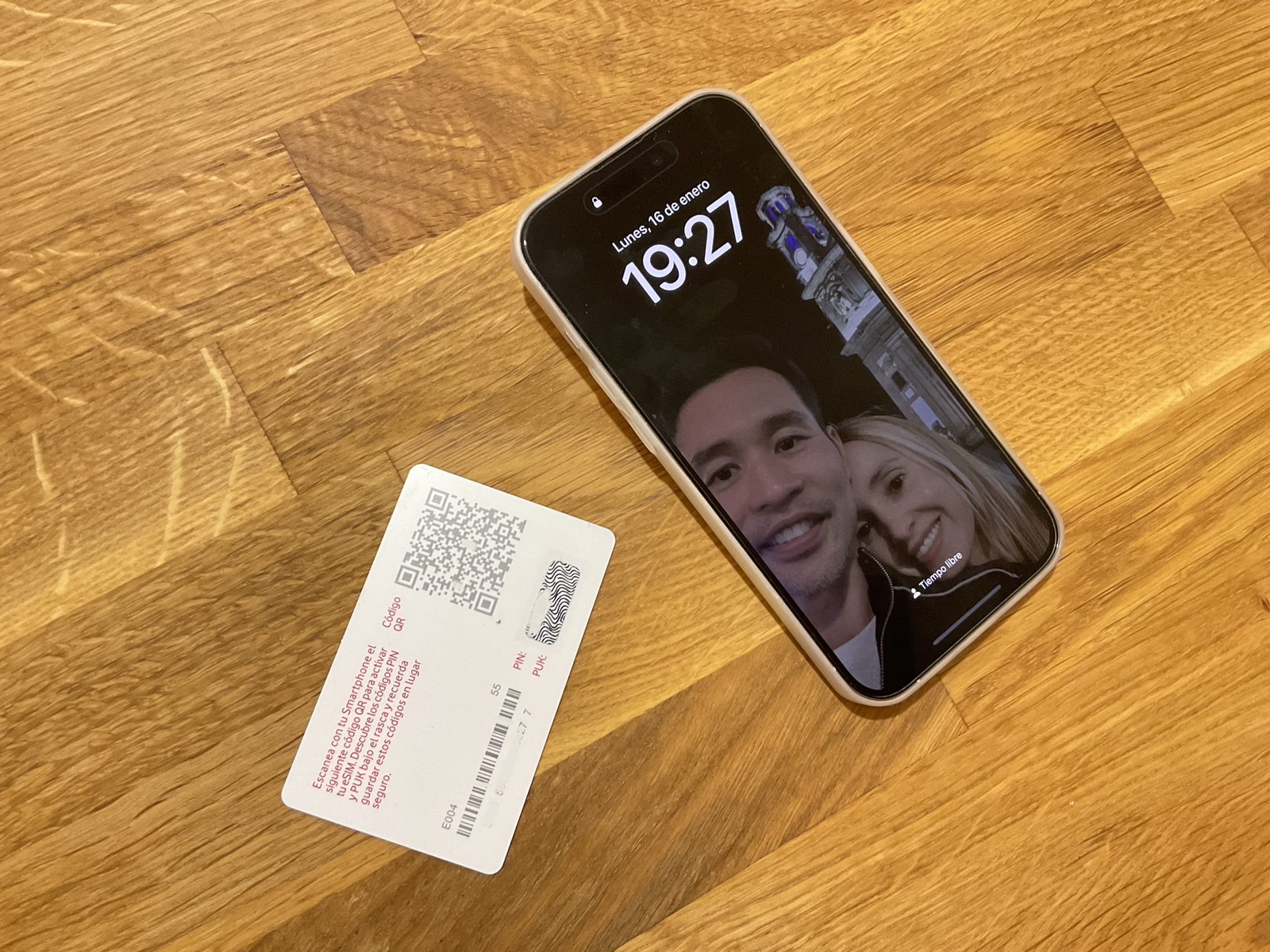
Another confirmed issue involved SIM-related bugs affecting some iPhone 14 devices. Users reported difficulties with cellular activation and network connectivity, particularly during initial setup or after software updates.
Apple acknowledged the SIM-related problem and worked on fixes through iOS patches.
While most users experienced resolution after updates, connectivity problems highlighted how dependent modern smartphones are on software stability for core communication functions.
CarPlay and Data Transfer Problems
One of the early frustrations for iPhone 14 users involved CarPlay connectivity during phone calls. In some cases, users experienced dropped calls, unstable connections, or failure in pairing with vehicle systems.
Additionally, data migration between older iPhones and the iPhone 14 series sometimes failed or became inconsistent, forcing users to repeat setup processes or use alternative transfer methods.
Apple later addressed many of these issues through iOS updates, improving overall system stability.
Camera and App Performance Glitches
The iPhone 14 Pro models also faced camera-related bugs at launch. Some users reported camera shaking issues when using third-party apps such as Instagram and Snapchat, as well as temporary instability in the Camera app itself.
These problems were later fixed in software updates, but they initially impacted content creators and everyday users who rely heavily on smartphone photography.
In rare cases, Apple also launched service programs for specific hardware-related camera issues affecting small batches of devices.
Horizontal Lines and Display Issues
Some iPhone 14 Pro users reported rare display glitches, including horizontal lines appearing on the screen during startup. These issues were tied to software behavior and were later resolved with iOS updates.
Although not widespread, such visual bugs raised concerns about display consistency on premium flagship devices.
Battery and Performance Complaints
Beyond specific bugs, some users have continued to report battery drain concerns and inconsistent performance under heavy usage. While the A15 and A16 Bionic chips remain powerful, background processes and early iOS versions contributed to reduced battery efficiency for some users.
Apple has periodically improved optimization through updates, but battery-related feedback remains a common topic among iPhone 14 owners.
Apple’s Response Through iOS Updates
Apple has consistently addressed most iPhone 14 issues through rapid software updates. iOS patches have resolved activation bugs, camera glitches, CarPlay problems, and connectivity errors over time.
This approach reflects Apple’s standard strategy of treating many device issues as software-related rather than hardware defects, allowing fixes to be deployed globally without requiring physical repairs.
Impact on User Trust and Market Perception
While the iPhone 14 series remains a powerful and widely used lineup, early bugs and recurring service programs have slightly affected user perception. Some buyers have expressed frustration over initial instability in a premium-priced device.
However, the long-term impact has been limited, as Apple’s quick response and continuous updates have restored stability for most users.
The devices continue to perform well in the market due to strong performance, camera quality, and long-term software support.
Conclusion
Apple has confirmed and addressed multiple issues affecting the iPhone 14 and iPhone 14 Pro series, particularly in the form of software bugs and early launch glitches. While most problems were resolved through updates, the experience highlighted the challenges of launching complex flagship devices in a highly competitive smartphone market.
Despite these issues, the iPhone 14 lineup remains a capable and widely used series, supported by Apple’s consistent software ecosystem and long-term update policy. For most users, the devices continue to deliver reliable performance after initial fixes, though early software instability remains part of their launch history.