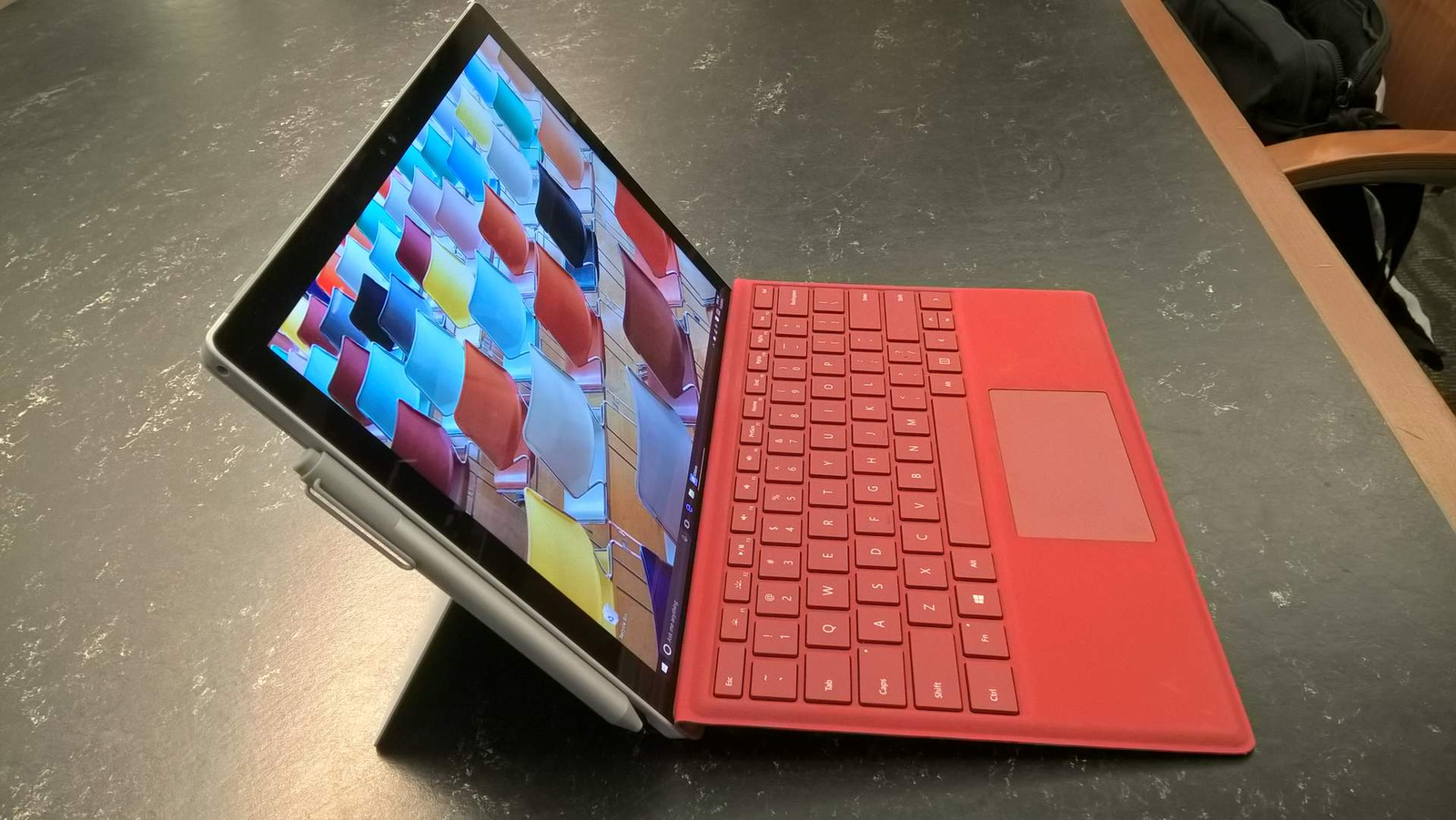
DIY Laptop Offers Apple-like Looks with PC Reparability
The laptop market has long been divided between sleek, premium devices and repairable, upgrade-friendly machines. Many consumers admire the elegant design and build quality associated with Apple’s MacBook lineup, but they often find themselves frustrated by limited repair options and restricted hardware upgrades. A new generation of DIY laptops aims to bridge this gap by combining premium aesthetics with the flexibility and reparability traditionally associated with personal computers.
These innovative devices are attracting attention from technology enthusiasts, professionals, students, and sustainability advocates who want both style and long-term usability. By allowing users to repair, upgrade, and customize their hardware, DIY laptops represent a growing movement toward more consumer-friendly technology.
The Growing Demand for Repairable Technology
Modern laptops have become thinner, lighter, and more powerful, but these advancements have often come at the expense of repairability. Many manufacturers use soldered components, proprietary parts, and sealed designs that make repairs difficult or impossible for average users.
As electronic waste continues to increase worldwide, consumers are becoming more interested in products that offer longer lifespans. Repairable laptops allow users to replace individual components instead of discarding an entire device when something fails.
This shift reflects a broader trend toward sustainable technology and consumer ownership rights, often referred to as the “right-to-repair” movement.
Premium Design Inspired by High-End Laptops
One of the most appealing aspects of modern DIY laptops is their premium appearance. Manufacturers have recognized that users no longer want to choose between aesthetics and functionality.
Many repairable laptops feature aluminum chassis, slim profiles, high-resolution displays, and minimalist designs that rival some of the most visually appealing laptops on the market. Their clean and professional appearance often draws comparisons to premium ultrabooks and MacBook-style devices.
This combination of elegance and practicality has helped repairable laptops gain popularity among consumers who value both design and functionality.
Built for User Repairs
Unlike many conventional laptops, DIY models are specifically designed for easy maintenance. Components such as storage drives, memory modules, keyboards, batteries, and display assemblies can often be removed and replaced using basic tools.
Manufacturers typically provide detailed repair guides, replacement parts, and documentation to assist users throughout the repair process.
This approach empowers consumers to fix common problems themselves rather than relying on expensive repair services or replacing their entire laptop.
Easy Hardware Upgrades
Technology evolves rapidly, and many users find their laptops becoming outdated after only a few years. DIY laptops address this issue by supporting hardware upgrades that extend device longevity.
Users can often increase memory capacity, install larger storage drives, replace wireless networking components, or upgrade other internal hardware as newer technologies become available.
This flexibility allows consumers to adapt their laptops to changing needs while avoiding the cost of purchasing an entirely new system.
Customization Options for Different Users
DIY laptops offer a level of customization rarely found in traditional consumer devices. Buyers can often select specific processors, memory configurations, storage options, and operating systems based on their requirements.
Some users may prioritize gaming performance, while others focus on productivity, software development, or creative workloads. The modular nature of these laptops allows customers to create a machine tailored to their unique needs.
This personalized approach has become increasingly attractive as consumers seek more control over the technology they purchase.
Environmental Benefits
Electronic waste remains a significant global challenge. Millions of laptops are discarded each year due to hardware failures or outdated components.
Repairable laptops help reduce this problem by extending product lifespans. When a component fails, users can replace only the affected part instead of disposing of the entire device.
Longer-lasting products contribute to reduced manufacturing demand, lower resource consumption, and decreased environmental impact. As sustainability becomes a priority for both consumers and businesses, repairable technology offers a practical solution.
Supporting the Right-to-Repair Movement
The right-to-repair movement advocates for consumers’ ability to repair and maintain their own devices. Supporters argue that manufacturers should provide access to replacement parts, repair manuals, and diagnostic tools.
DIY laptops align closely with these principles by encouraging transparency and user ownership. Rather than restricting repairs through proprietary designs, these devices are intentionally built to be opened, upgraded, and maintained.
This philosophy has resonated strongly with technology enthusiasts and consumer rights advocates worldwide.
Benefits for Businesses and Educational Institutions
Repairable laptops are not only appealing to individual consumers. Businesses and educational institutions can also benefit from their modular designs.
Organizations often manage large fleets of devices, making maintenance costs a significant concern. Repairable laptops allow IT departments to replace specific components quickly and cost-effectively.
Educational institutions can extend the lifespan of student devices while reducing electronic waste and minimizing technology budgets. The ability to upgrade hardware over time provides additional value and flexibility.
Challenges Facing DIY Laptops
Despite their advantages, repairable laptops face several challenges. Premium materials and modular engineering can increase manufacturing costs, leading to higher initial prices compared to some conventional laptops.
Additionally, many consumers remain unfamiliar with performing hardware upgrades or repairs. While manufacturers provide support resources, some users may still prefer fully managed service experiences.
Competition from established laptop brands also presents challenges, as larger companies benefit from extensive distribution networks and strong brand recognition.
The Future of Modular Computing
The success of DIY laptops suggests that consumer preferences may be shifting toward more sustainable and user-friendly technology. As awareness of repairability and environmental concerns continues to grow, demand for modular computing solutions is likely to increase.
Future innovations may include even more standardized components, simplified upgrade processes, and broader industry support for repairable designs.
Manufacturers that embrace these principles could play a significant role in shaping the next generation of personal computing devices.
Conclusion
DIY laptops that combine premium aesthetics with exceptional reparability represent an important evolution in the personal computer industry. By offering stylish designs, upgradeable hardware, easy repairs, and environmental benefits, these devices provide an attractive alternative to traditional laptops with limited serviceability.
As consumers increasingly prioritize sustainability, ownership rights, and long-term value, repairable laptops are gaining momentum. Their ability to deliver both elegance and practicality demonstrates that users no longer need to sacrifice one for the other. The growing popularity of modular computing may ultimately encourage the entire technology industry to rethink how laptops are designed, maintained, and upgraded.